Friday, November 4, 2016

Cats Natural Hairball Remedy

Adding fiber to a cat's diet helps in the digestion process. This natural hairball remedy for cats in your household can reduce hairballs. Pumpkin or fiber-rich cat foods are commonly used.

Regular Grooming: Frequent brushing reduces the amount of loose hair a cat ingests while grooming itself.

Hydration: Ensuring cats have access to plenty of water helps keep their digestive systems functioning properly, aiding in the passage of hairballs.

Dietary Changes: Special hairball control cat foods are formulated with additional fiber to aid in hairball prevention.

Natural Oils: Adding a small amount of olive oil or fish oil to a cat's diet can lubricate the digestive tract, helping hair pass through more easily.

Butter: A small amount of butter can act as a natural laxative, helping to move hair through the digestive system.

Herbal Remedies: Certain herbs, like slippery elm, can soothe the digestive tract and facilitate the passage of hairballs.

Cat Grass: Providing cat grass can help with digestion and reduce hairballs. It acts as a natural fiber source.

Laxatone: This is a petroleum-based gel that lubricates the digestive system, making it easier for hair to pass.

Coconut Oil: Known for its digestive benefits, a small amount of coconut oil can help prevent hairballs.

Canned Pumpkin: Plain canned pumpkin is high in fiber and can aid in hairball prevention.

Psyllium Husk: This fiber supplement can be mixed with a cat's food to help manage hairballs.

Vaseline: A small amount of petroleum jelly can help hair pass through the digestive system, though it should be used sparingly.

Regular Vet Check-ups: Ensuring your cat is healthy can help identify any underlying issues that may contribute to hairball formation.

Wet Food: Switching to or incorporating wet food in a cat’s diet can increase hydration and help with hairball passage.

Brushing Tools: Specialized grooming tools, like deshedding brushes, can remove more loose hair than regular brushes.

Digestive Enzymes: Supplements that aid digestion can help prevent hairballs by improving overall digestive health.

Fresh Water: Ensure your cat always has access to fresh water, which is crucial for a healthy digestive system.

Probiotics: These supplements support a healthy gut flora, which can improve digestion and reduce hairballs.

Treats and Chews: Hairball control treats and chews are designed to help reduce hairball formation by adding fiber to the cat’s diet.

These natural remedies can help manage and prevent hairballs in cats, ensuring a healthier and more comfortable life for your feline friend.


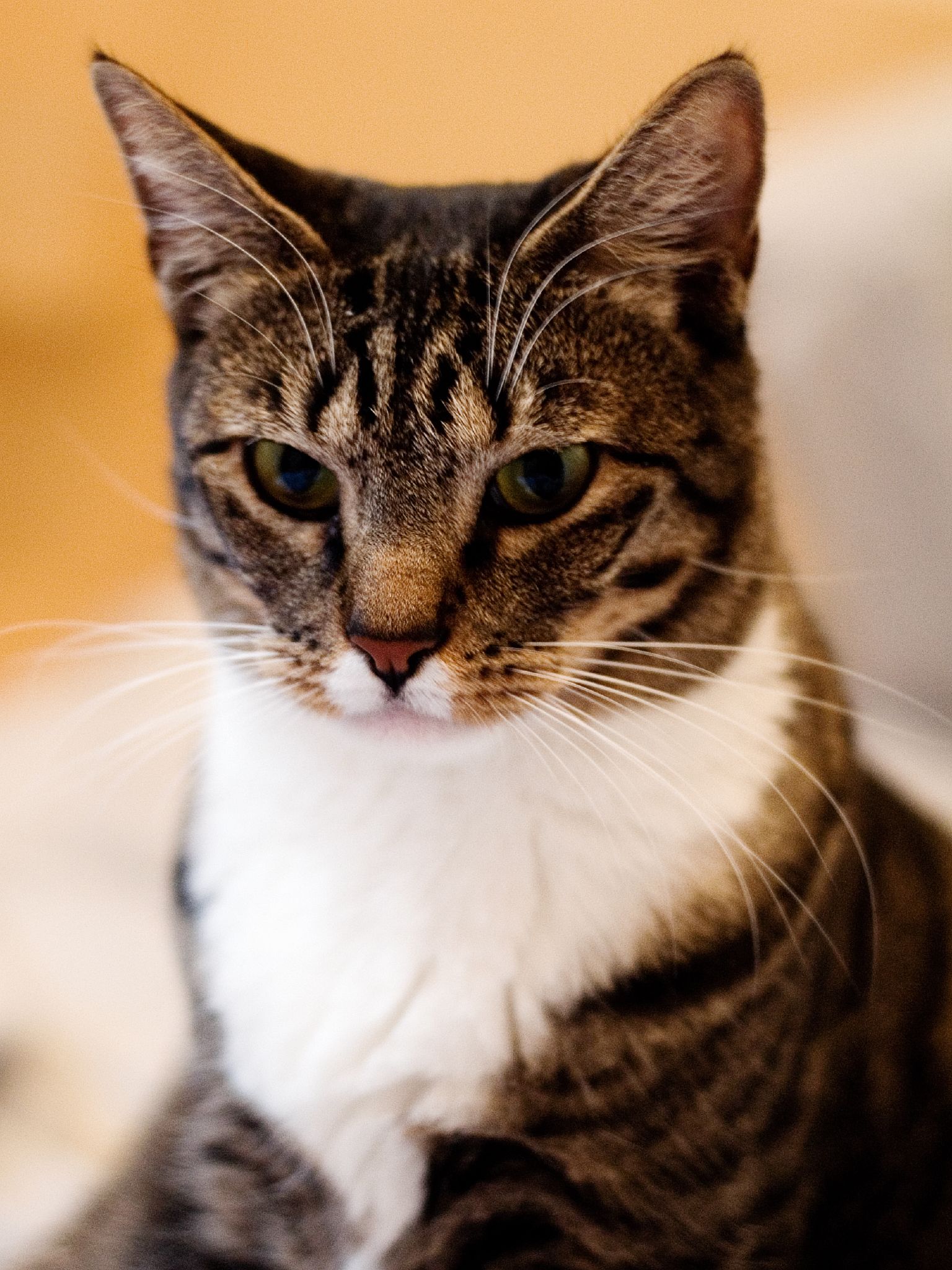
Image via M Brath

 Tomlyn natural hairball remedy works as a laxative for cats. It contains laxatone for cats, which is quite effective at making cats pass uncomfortable hairballs.


Purpose: Laxatone is primarily used to help cats pass hairballs by lubricating the digestive tract.

Form: It usually comes in a gel form that is easy to administer.

Ingredients: Common ingredients include white petrolatum, light mineral oil, and artificial flavoring.

Administration: It can be given directly from the tube or mixed with food.

Frequency: Typically administered 2-3 times per week to prevent hairballs, but frequency can vary based on a veterinarian's recommendation.

Flavors: Available in various flavors like tuna, malt, and maple, to appeal to cats.

Safe for Cats: Laxatone is specifically formulated for feline use and is generally considered safe when used as directed.

Lubricant: The product works by lubricating ingested hair, allowing it to pass more easily through the digestive system.

Veterinary Recommendation: Often recommended by veterinarians for cats that frequently groom themselves and thus ingest a lot of hair.

Digestive Aid: Can also aid in the prevention of constipation in cats.

Usage Duration: Should not be used long-term without veterinary supervision, as it could mask underlying health issues.

Over-the-Counter: Available without a prescription, making it easy for pet owners to obtain.

Palatability: Designed to be palatable to cats to ensure they ingest it without much fuss.

Storage: Should be stored at room temperature and kept out of reach of children and pets.

Dosage: The typical dosage is about 1/2 to 1 teaspoon per application, but always refer to the product label or a vet's instructions.

Preventive Use: Regular use can prevent the formation of hairballs in cats prone to this issue.

Side Effects: Rarely, cats might experience mild digestive upset; if severe side effects occur, a vet should be consulted.

Brand Variations: There are generic versions of Laxatone available, though brand-specific formulas might differ slightly.

Alternative Uses: Besides hairball prevention, it can sometimes be used to help with minor digestive issues, though this is not its primary purpose.

Popularity: Laxatone is a well-known and widely used product among cat owners for managing hairballs.

Always consult with a veterinarian before starting any new treatment for your pet to ensure it is appropriate for their specific health needs.


Tomlyn Laxatone Hairball Remedy 


Tomlyn Laxatone Hairball Remedy


Tomlyn Laxatone Hairball Remedy is a popular product used to help cats pass hairballs. Here are facts about its effectiveness and speed in removing hairballs.

Active Ingredients: Tomlyn Laxatone contains lubricants like white petrolatum and mineral oil, which help facilitate the passage of hairballs through the digestive tract.

Ease of Use: The remedy comes in a gel form that is easy to administer either directly or by placing it on the cat's paw to be licked off.

Typical Response Time: Results can vary, but many cat owners report seeing improvement within a few days of regular use. Some cats might respond within 24-48 hours.

Regular Use: For best results, it is recommended to use Laxatone regularly as a preventative measure, especially for long-haired breeds or during shedding seasons.

Dosage Frequency: Initial dosage is often daily for a few days until the hairball is passed, then reduced to a maintenance dose of once or twice a week.

Cat Acceptance: Tomlyn Laxatone is available in various flavors (like malt or tuna) to make it more palatable for cats, enhancing their willingness to ingest it.

Effectiveness: Many cat owners and veterinarians find it to be an effective solution for managing hairballs when used consistently.

Digestive Aid: In addition to removing hairballs, the lubricants can aid in the overall digestion process, reducing the formation of new hairballs.

Veterinary Recommendation: It is often recommended by veterinarians as a safe and effective method for both preventing and treating hairballs.

Customer Reviews: User reviews often highlight quick relief for their pets, with some noticing a reduction in hairball-related symptoms such as coughing, gagging, and vomiting after a few uses.

While these points provide a general overview, individual experiences may vary. It's always best to follow the specific dosing instructions provided by the manufacturer or consult with a veterinarian for personalized advice.

Friday, October 21, 2016

Dog Leg Fluid Retention Home Remedies - Natural Diuretic for Dogs: Natural Diuretic for Dogs with Congestive Heart Fa...

Dog Leg Fluid Retention Home Remedies 

A swollen dog leg can be alarming, especially when the leg looks puffy, feels warm, or seems uncomfortable. Sometimes the cause is relatively simple, such as a minor sprain, insect bite, or small injury. In other cases, swelling may be a sign of a more serious problem involving the heart, kidneys, liver, blood vessels, lymphatic system, infection, or a tumor.

What looks like “fluid retention” is not always generalized water retention. A dog's leg can become swollen because fluid has accumulated in the tissues, a condition commonly called edema. Edema may develop in one leg, several legs, or other parts of the body. Understanding why the swelling occurred is important because the appropriate treatment depends heavily on the underlying cause.

There are several gentle things an owner can do at home to keep a dog comfortable while arranging veterinary care. These measures are intended to provide supportive care, not replace diagnosis and treatment.

## Understanding Fluid Retention in a Dog's Leg

Edema occurs when excess fluid moves out of blood vessels and accumulates in surrounding tissues. The affected area may appear enlarged, puffy, or swollen. In some cases, pressing gently on the skin can leave a temporary indentation, known as pitting edema.

However, not every swollen leg contains excess fluid.

A leg may also enlarge because of:

* Inflammation
* An abscess
* Infection
* Trauma or bruising
* A sprain or strain
* A broken bone
* An insect or animal bite
* An allergic reaction
* A foreign object such as a thorn
* Lymphatic obstruction
* A blood clot
* Poor circulation
* A tumor or other mass

This distinction matters. A home remedy that might be reasonable for mild inflammation could be inappropriate if the swelling is caused by an infection or circulation problem.

For this reason, persistent or unexplained swelling deserves veterinary attention.

## First Step: Examine the Dog Carefully

Before trying a home remedy, observe the dog and the affected leg.

Compare the swollen leg with the corresponding leg on the other side. Look for changes in:

* Size
* Temperature
* Color
* Hair loss
* Wounds
* Scratches
* Punctures
* Insect bites
* Discharge
* Bruising
* Pain
* Mobility

Check the paw and between the toes as well. A small thorn, splinter, grass awn, puncture, or infected nail can cause swelling farther up the leg.

Do not squeeze the swollen area aggressively. If there is an abscess, injury, clot, or painful inflammatory process, forceful manipulation could make the situation worse.

Pay attention to the dog's overall condition too. A dog that is eating, drinking, breathing normally, and walking comfortably is generally less concerning than one that is weak, distressed, refusing food, struggling to breathe, or unable to stand.

## When Leg Swelling Requires Emergency Care

Home care should not delay emergency veterinary treatment when serious symptoms are present.

Seek urgent veterinary attention if your dog has leg swelling accompanied by:

* Difficulty breathing
* Rapid or labored breathing
* Blue, gray, or very pale gums
* Collapse or extreme weakness
* Sudden inability to walk
* Severe pain
* A cold or unusually pale limb
* Rapidly increasing swelling
* Major bleeding
* A suspected fracture
* Severe trauma
* A deep bite wound
* Facial swelling or widespread swelling
* Repeated vomiting
* Severe lethargy
* Loss of consciousness

Sudden swelling combined with breathing difficulties is particularly concerning because it may indicate a potentially life-threatening systemic problem.

Likewise, a limb that becomes suddenly swollen, painful, cold, or discolored needs prompt professional evaluation because circulation may be compromised.

## 1. Rest and Restrict Strenuous Activity

One of the safest supportive measures for mild swelling associated with a minor injury is rest.

Running, jumping, climbing stairs, rough play, and long walks can increase inflammation and place additional stress on an injured limb.

For a dog with a mildly swollen leg, provide a quiet area where the dog can rest comfortably. Take the dog outside for short, controlled bathroom breaks rather than allowing unrestricted activity.

For energetic dogs, confinement can be challenging. Food puzzles, calm interaction, gentle grooming, and quiet companionship can help prevent boredom without encouraging physical exertion.

Rest is especially useful when swelling follows:

* A mild sprain
* Excessive exercise
* A minor soft-tissue injury
* A small amount of bruising

However, rest should not be considered a complete treatment when the cause of swelling is unknown or symptoms are worsening.

## 2. Elevate the Leg When Practical

Elevation can sometimes help reduce dependent swelling because gravity influences fluid movement.

If your dog is comfortable lying down, you can encourage the affected leg to rest slightly higher than the body using a soft, folded towel or blanket.

The support should be comfortable and stable.

Never force the leg into an unnatural position, and never prop it so high that the dog becomes uncomfortable. Do not leave the dog unattended with an unstable pile of bedding.

Elevation is most practical for a calm dog who naturally wants to rest.

It should be viewed as supportive comfort care rather than a treatment for the underlying disease.

## 3. Use a Cool Compress for Mild Inflammation

A cool compress may be useful during the early stages of a minor soft-tissue injury.

Place a clean cloth around a cool pack or use a towel moistened with cool water. Apply it gently to the affected area for a short period while observing your dog's response.

Never place frozen material directly against the skin.

Avoid prolonged exposure because excessive cold can damage tissues.

A cool compress is particularly reasonable when swelling follows an obvious minor injury and the skin is intact.

However, if the leg is already cold, pale, blue, or poorly perfused, do not attempt to cool it further. Veterinary attention is needed instead.

## 4. Warm Compresses: Use With Caution

Warmth can sometimes be soothing for certain chronic or muscular conditions, but it is not appropriate for every swollen leg.

Heat may increase blood flow and potentially worsen some types of inflammation. It may also be inappropriate if infection is present.

Therefore, owners should avoid automatically applying heat simply because the leg is swollen.

If a veterinarian has determined that warmth is appropriate, a comfortably warm—not hot—cloth can be used for a limited period.

Always test the temperature against your own skin first.

Never use heating pads on an unattended dog. A dog may lie on the heating element for too long and develop burns.

## 5. Keep the Paw and Skin Clean

If swelling is associated with a superficial wound, maintaining cleanliness may help prevent contamination.

Inspect the paw carefully.

Look between the toes, around the nails, and along the pads for:

* Cuts
* Thorns
* Splinters
* Grass awns
* Cracked pads
* Redness
* Pus
* Bleeding
* Embedded foreign material

For a minor superficial wound, gently cleaning the area with clean water or an appropriate veterinary-recommended cleansing solution may be sufficient supportive care until the dog can be evaluated.

Do not repeatedly scrub the tissue.

Avoid harsh household chemicals, concentrated disinfectants, alcohol, or other substances that can irritate damaged skin.

If something is deeply embedded, do not dig into the tissue attempting to remove it. A veterinarian may need to extract it safely.

## 6. Prevent Licking and Chewing

Dogs frequently lick swollen or injured legs.

Unfortunately, excessive licking can make a minor problem considerably worse. Constant moisture and irritation can damage the skin and create an opportunity for infection.

If your dog will not leave the area alone, a veterinarian may recommend an Elizabethan collar or another protective device.

Do not rely on bitter substances, essential oils, or irritating products applied directly to the skin as deterrents.

Dogs can ingest these substances while grooming themselves, and some ingredients can be toxic.

Keeping the area protected is generally safer than trying to make it unpleasant to lick.

## 7. Encourage Normal Hydration

It may seem logical to restrict water when a dog has fluid retention, but deliberately withholding water is not an appropriate home treatment.

Dogs need adequate hydration for normal circulation, kidney function, temperature regulation, and other physiological processes.

Provide fresh, clean water unless a veterinarian has specifically prescribed a different fluid plan.

Some dogs with serious heart, kidney, or liver disease may require carefully managed fluid and sodium intake. Those decisions should be individualized by a veterinarian rather than handled through arbitrary water restriction.

Never intentionally dehydrate a swollen dog.

## 8. Avoid High-Sodium Foods

Excessive dietary sodium can contribute to fluid balance problems in susceptible animals.

This does not mean that every dog with a swollen leg needs a severely restricted-sodium diet. The cause of swelling has to be established first.

Nevertheless, avoiding salty human foods is a sensible practice.

Do not routinely give your dog foods such as:

* Bacon
* Ham
* Sausage
* Salted meat
* Potato chips
* Salty crackers
* Highly seasoned leftovers
* Processed snack foods
* Certain canned soups
* Salty sauces

These foods can contain much more sodium than a dog's normal diet requires.

If a veterinarian diagnoses heart disease, kidney disease, or another condition where dietary sodium matters, ask about an appropriate veterinary diet rather than attempting to formulate a restrictive diet yourself.

## 9. Maintain a Healthy Body Weight

Excess body weight places additional stress on a dog's joints and limbs.

A heavier dog may also have greater difficulty recovering from orthopedic injuries and may be less mobile.

Maintaining a healthy body condition can therefore support long-term mobility and reduce unnecessary strain.

Weight loss should be gradual and based on a veterinarian-approved feeding and exercise plan.

Do not drastically reduce food simply because a dog has swollen legs.

The objective is adequate nutrition with an appropriate calorie intake—not starvation.

## 10. Gentle Movement After the Acute Problem Improves

Complete inactivity for extended periods can cause muscle loss and stiffness.

Once a veterinarian has determined that exercise is safe, gentle controlled movement may help a dog maintain mobility.

Short leash walks on level ground are often easier on the limbs than running or jumping.

Avoid:

* Chasing games
* Jumping from furniture
* Repeated stair climbing
* Long hikes
* Roughhousing
* Sudden changes in activity

If swelling becomes worse after activity, stop and contact your veterinarian.

A gradual return to normal exercise is generally safer than allowing a dog to go from strict rest directly back to strenuous activity.

## 11. Consider Gentle Massage Only After Veterinary Guidance

Massage is sometimes promoted as a way to move excess fluid through the tissues and lymphatic system.

However, massage is not appropriate for every cause of swelling.

Do not massage a leg that is:

* Extremely painful
* Hot and severely inflamed
* Infected
* Bruised after significant trauma
* Suspected of having a fracture
* Suddenly swollen without explanation
* Associated with a suspected blood clot
* Cold or poorly perfused

Forceful massage can potentially aggravate an injury.

If a veterinarian determines that gentle massage is appropriate, they can demonstrate the correct technique and pressure.

The goal should never be to “squeeze the fluid out.”

## 12. Do Not Give Human Water Pills

One of the most important precautions for owners is avoiding self-treatment with human medications.

Diuretics, sometimes called water pills, cause the body to eliminate more water and sodium through the kidneys. Certain veterinary patients may legitimately receive diuretics under veterinary supervision.

That does not mean a swollen leg should automatically be treated with a diuretic.

Using the wrong medication or dose can cause:

* Dehydration
* Electrolyte abnormalities
* Kidney problems
* Weakness
* Low blood pressure
* Dangerous interactions with other medications

Never give a human diuretic to a dog unless a veterinarian specifically prescribed it for that dog and provided dosing instructions.

## 13. Avoid Human Painkillers

Human pain medications are another common source of accidental poisoning.

Do not give your dog medications such as ibuprofen, naproxen, or other human anti-inflammatory drugs unless specifically directed by a veterinarian.

Some human medicines can cause serious gastrointestinal, kidney, or other toxic effects in dogs.

Even acetaminophen, which is sometimes used in veterinary medicine under controlled circumstances, should not be given casually because inappropriate dosing can be dangerous.

Veterinarians have access to medications specifically selected and dosed for dogs.

## 14. Be Careful With Herbal Remedies

Natural does not automatically mean safe.

Herbal products marketed for “water retention,” circulation, inflammation, or detoxification may contain ingredients that can interact with medications or affect kidney and liver function.

Some herbs and essential oils are also unsafe for dogs.

Particular caution is needed if the dog already has:

* Heart disease
* Kidney disease
* Liver disease
* Diabetes
* High or low blood pressure
* A seizure disorder

or takes prescription medication.

Do not assume that an herbal diuretic is safer than a prescription medication. A substance that changes urination or electrolyte balance can have significant physiological effects.

Discuss supplements with your veterinarian before giving them.

## 15. Check the Dog's Bedding and Sleeping Area

Comfortable bedding can be surprisingly helpful for a dog recovering from a painful leg problem.

A thick, supportive bed can reduce pressure on joints and allow the dog to rest more comfortably.

Keep bedding clean and dry.

Dogs with limited mobility can develop pressure irritation if they remain in one position for long periods. Very weak or immobile dogs may need assistance changing positions.

If a dog is unable to get up independently, ask a veterinarian about safe positioning and mobility support.

## 16. Monitor the Swelling Daily

Keeping a simple record can help you and your veterinarian determine whether the condition is improving.

Record:

* When the swelling began
* Which leg is affected
* Whether the swelling is increasing or decreasing
* Whether the leg feels warm or cold
* Whether the dog is limping
* Whether the dog is eating normally
* Water intake
* Urination
* Energy level
* Any medications or supplements
* Recent injuries or unusual activity

Photographs can also be useful. Take a picture from the same angle and at approximately the same distance each day.

If the swelling steadily decreases, that information is useful.

If it increases, spreads, or returns repeatedly, the pattern can help your veterinarian identify the underlying problem.

# Why Does a Dog's Leg Retain Fluid?

There are many possible explanations.

## Injury and Inflammation

A sprain, strain, bruise, or other soft-tissue injury can cause inflammation and swelling.

The swelling may be localized around the injured region. Dogs may limp, avoid putting weight on the leg, or repeatedly lick the affected area.

Rest and veterinary-directed supportive care may be appropriate for minor injuries.

## Infection

An infected wound, abscess, bite, or puncture can cause swelling.

The area may be warm, painful, red, or accompanied by discharge.

A dog with an infection may also become lethargic or lose its appetite.

An abscess should not be treated simply by squeezing it at home. Veterinary treatment may require drainage, cleaning, antibiotics, pain control, or removal of a foreign object.

## Allergic Reaction

An insect bite or allergic reaction can cause sudden swelling.

Allergic reactions can range from localized swelling to a potentially dangerous systemic reaction.

Swelling of the face, muzzle, tongue, or throat, particularly when accompanied by breathing difficulty, requires emergency attention.

## Lymphatic Problems

The lymphatic system helps move fluid through tissues.

Damage, obstruction, congenital abnormalities, surgery, trauma, infection, or other conditions can interfere with lymphatic drainage.

Lymphatic swelling may persist or recur and may require specialized veterinary evaluation.

## Circulatory Problems

Blood vessels play an essential role in maintaining normal fluid balance.

Problems involving veins or circulation can cause swelling in a limb.

A suddenly swollen, painful, discolored, or cold limb should be treated as a potentially urgent problem.

## Heart Disease

Some forms of heart disease can cause fluid accumulation elsewhere in the body.

Owners may notice additional symptoms such as:

* Coughing
* Reduced exercise tolerance
* Rapid breathing
* Difficulty breathing
* Weakness
* Abdominal enlargement
* Fainting

A swollen leg alone does not establish heart disease, but swelling combined with respiratory or exercise-related symptoms warrants veterinary assessment.

## Kidney Disease

The kidneys regulate fluid, electrolytes, and waste products.

Kidney disorders can affect fluid balance and may produce swelling in certain circumstances.

Other signs can include changes in thirst, urination, appetite, weight, vomiting, or energy.

## Liver Disease

The liver contributes to protein production and numerous processes involved in fluid balance.

Serious liver disease can contribute to fluid accumulation.

Additional signs may include appetite changes, vomiting, diarrhea, weight loss, abdominal enlargement, or yellow discoloration of the gums or eyes.

## Low Blood Protein

Proteins in the bloodstream help retain fluid within blood vessels.

When blood protein levels become unusually low, fluid may move into tissues and body cavities.

Several medical conditions can cause low blood protein, including certain intestinal, kidney, and liver disorders.

This is one reason unexplained generalized swelling should be evaluated rather than treated only as a local leg problem.

# When Swelling Affects More Than One Leg

A single swollen leg often points toward a localized problem.

When several legs are swollen—or when swelling occurs along with abdominal enlargement or generalized puffiness—the possibility of a systemic problem becomes more important.

Systemic causes can involve:

* Heart function
* Kidney function
* Liver function
* Blood protein levels
* Circulation
* Lymphatic function
* Certain medications
* Severe inflammatory conditions

A veterinarian may recommend blood tests, urine testing, radiographs, ultrasound, blood-pressure measurement, or other diagnostic procedures depending on the dog's symptoms.

# Can Salt Cause a Dog's Leg to Swell?

Dietary sodium affects fluid balance, but it is usually too simplistic to assume that a swollen leg is caused by eating salty food.

A healthy dog that has eaten a small amount of salty food may not develop isolated leg edema.

However, repeatedly feeding salty processed foods is not a healthy practice, particularly for dogs with certain cardiovascular or kidney conditions.

The better strategy is to feed a nutritionally complete canine diet appropriate for the dog's age, size, health, and veterinary recommendations.

# Can Drinking More Water Make the Swelling Worse?

Owners sometimes become concerned that giving water will increase fluid retention.

Water should not generally be withheld from a dog because of swelling.

The body carefully regulates water balance through the kidneys and other systems. A dog with a medical disorder may have special fluid-management requirements, but those requirements depend on the diagnosis.

If your veterinarian has prescribed fluid or dietary restrictions, follow those instructions rather than creating your own restriction.

# What About Coconut Water?

Coconut water is sometimes promoted online as a natural hydration drink for dogs.

It is not necessary for routine hydration.

Fresh drinking water is the simplest and safest choice for most dogs.

Coconut water can also contain potassium and other nutrients that may not be appropriate for dogs with certain medical conditions.

It should not be used as a treatment for edema.

# What About Apple Cider Vinegar?

Apple cider vinegar is frequently recommended online for various animal conditions, including swelling.

There is not good reason to apply concentrated vinegar to a swollen or damaged leg.

It can irritate skin, particularly when the protective skin barrier has been damaged.

Giving vinegar orally as a treatment for edema is also not an evidence-based approach to correcting the underlying cause.

When a dog has swelling, determining why the swelling exists is much more useful than attempting to alter body fluid balance with household ingredients.

# What About Epsom Salt Soaks?

Epsom salt baths are commonly suggested for swollen feet and minor injuries.

However, soaking is not appropriate for every swollen limb.

Dogs with open wounds, infections, circulation problems, severe pain, or certain skin conditions may require different treatment.

Some dogs also drink bath water or lick their paws afterward.

If a veterinarian recommends a soak for a specific condition, follow the recommended concentration, water temperature, and duration.

Otherwise, clean water and veterinary assessment are safer than experimenting with concentrated solutions.

# When to Contact the Veterinarian

Contact your veterinarian if swelling:

* Lasts more than a short period
* Keeps returning
* Is increasing
* Causes limping
* Is painful
* Is warm or red
* Develops after a bite
* Occurs without an obvious explanation
* Appears in more than one limb
* Is accompanied by appetite or behavior changes

Even when the dog seems comfortable, unexplained persistent swelling should not be ignored.

Early diagnosis can sometimes prevent a manageable problem from becoming much more serious.

# What Your Veterinarian May Check

A veterinary examination may begin with a physical examination of the affected limb and the rest of the body.

The veterinarian may assess:

* Heart and breathing
* Gum color
* Pulses
* Limb temperature
* Pain
* Range of motion
* Skin condition
* Lymph nodes
* Hydration
* Body condition

Depending on the findings, additional testing may be recommended.

Bloodwork can provide information about kidney and liver function, proteins, blood cells, electrolytes, and other factors.

Urine testing may provide additional information about kidney function and protein loss.

Radiographs can help identify fractures, arthritis, foreign bodies, bone abnormalities, or some masses.

Ultrasound may be useful for soft tissues and internal organs.

Other tests may be selected according to the dog's individual symptoms.

# A Safe Home-Care Routine

For a dog with mild swelling that has already been evaluated—or while waiting for a scheduled veterinary appointment—a simple supportive routine can include:

**Morning:**
Inspect the leg and paw. Look for changes in swelling, redness, wounds, or discharge. Check that the dog is eating and behaving normally.

**During the day:**
Encourage rest. Provide short, controlled bathroom walks rather than strenuous activity. Prevent excessive licking.

**Evening:**
Inspect the leg again. Compare it with the opposite limb. Take a photograph if the swelling has changed.

**Every day:**
Record appetite, energy, mobility, water intake, urination, and changes in swelling.

This simple routine gives the owner useful information without attempting to diagnose the dog at home.

# A Word About Diuretics

Diuretics deserve special attention because they are sometimes called “water pills.”

Veterinarians may prescribe diuretics for particular diseases, but they are not a universal treatment for swollen legs.

A dog receiving a diuretic may require monitoring of hydration, kidney function, electrolytes, blood pressure, and the underlying disease.

Giving a diuretic simply because a leg looks swollen can mask symptoms or create new problems.

The correct question is not, “How can I make my dog urinate more?”

The correct question is, “Why is my dog's leg swollen?”

Once the underlying cause is known, the veterinarian can determine whether medication, diet, rest, surgery, wound treatment, or another therapy is appropriate.

# Prevention of Future Swelling

Not every cause of edema can be prevented, but several habits can support overall health.

Keep your dog at a healthy body weight.

Maintain regular veterinary checkups.

Keep vaccinations and parasite prevention current according to veterinary recommendations.

Inspect paws after outdoor activities.

Avoid allowing dogs to roam where bites, puncture wounds, or traumatic injuries are more likely.

Introduce exercise gradually rather than suddenly increasing activity.

Feed a complete and balanced canine diet.

Keep human processed foods and salty snacks to a minimum.

Provide clean drinking water at all times.

And pay attention to small changes in mobility. Dogs often hide pain, so a subtle limp or reluctance to climb stairs can sometimes be an early clue that something is wrong.

# Final Thoughts

A swollen dog leg should be treated as a symptom rather than a diagnosis.

Simple supportive measures such as rest, controlled activity, comfortable bedding, careful observation, and appropriate wound hygiene can sometimes help a dog remain comfortable while a minor problem resolves or while veterinary care is arranged.

However, home remedies cannot determine whether swelling comes from an injury, infection, allergy, lymphatic problem, circulation disorder, heart disease, kidney disease, liver disease, low blood protein, or another condition.

Avoid the temptation to treat swelling by giving human water pills, human painkillers, herbal diuretics, excessive supplements, or homemade remedies intended to force fluid from the body.

The safest approach is to identify the cause first.

If the swelling is sudden, severe, rapidly progressing, extremely painful, associated with breathing problems, accompanied by collapse or weakness, or associated with a cold or discolored limb, seek urgent veterinary care.

For milder cases, supportive home care can focus on what owners can safely control: **rest, comfort, cleanliness, hydration, appropriate nutrition, prevention of licking, careful monitoring, and timely veterinary evaluation.**

Ultimately, the goal is not simply to make the swelling disappear. The goal is to determine why the fluid accumulated and address the underlying problem so that the dog can return to comfortable, healthy movement.


Natural Diuretic for Dogs: Natural Diuretic for Dogs with Congestive Heart Fa...: Natural Diuretic for Dogs with Congestive Heart Failure Dandelion diuretic root for edema helps dogs with water retention. This natural d...


Thursday, February 25, 2016

Liquid Nutrition For Cats With Cancer- Ensure For Cats


Ensure for cats, Virbac Rebound Recuperation liquid meal replacement for senior cats, and other liquid nutrition for cats may be given to cats that are suffering from illnesses that weaken their bodies. This diet for senior cats can be given to younger cats with FeLV. 

Liquid cat food for senior cats like Virbac Rebound Recuperation liquid meal replacement for senior cats, Clinicare Liquid Nutrition, and Tomlyn Nutrical, help a lot when an older animal finds it exhausting or painful to chew hard, dry food. A liquid cat diet can help them to get the right amount of calories, so they can recover from illnesses.

Ensure for cats and Virbac Rebound Recuperation liquid meal replacement for senior cats give cats essential calories and other nutrients that they need in order to recover from surgery. Under The Weather Pets ReadyCal, Tomlyn Nutrical and Virbac Rebound Recuperation Liquid Nutrition also provide your cat with energy. If your cat needs immune support, you can also add Transfer Factor for cats to their diet. This helps a cat that is battling cancer, or FIV.

Liquid Nourishment for Senior Cats - Virbac Rebound
 
  
Virbac Rebound Recuperation for Cats


Like Ensure for Older Cats 
Felines that are fed liquid cat food like Virbac Rebound Recuperation liquid meal replacement for senior cats have their bodies strengthened with important nutrition that increase their chances of beating their illness. In some cases, cats are given Virbac Rebound Recuperation which is like Ensure for cats because they have mild or severe irritable bowel syndrome and need something that can be digested easily. A cat with a mouth ulcer, a cat that has been injured in a fight, and a cat with oral problems that make it difficult to chew will also appreciate Under The Weather Pets ReadyCal, Clinicare Ensure for cats, or Virbac Rebound Recuperation liquid meal replacement for senior cats, since they can lap at their own pace.


Virbac Rebound Recuperation for cats is a nutritional supplement designed to support hydration, nutrition, and overall recovery in cats. Here are facts about this product.

Brand: Virbac, a global company specializing in animal health.
Product Name: Rebound Recuperation for Cats.
Form: Liquid nutritional supplement.
Purpose: Supports hydration and recovery in cats.
Primary Use: Assists in recovery from illness, surgery, or stress.
Nutritional Support: Provides essential nutrients and energy.
Electrolytes: Contains electrolytes to help maintain fluid balance.
Ingredients: Includes key ingredients like taurine, arginine, and B vitamins.

Taurine: An essential amino acid for cats, supporting heart and eye health.
Arginine: An amino acid that aids in detoxification processes.
B Vitamins: Supports energy metabolism and overall health.
Palatability: Formulated to be highly palatable for cats.
Administration: Can be given directly or mixed with food.
Packaging: Typically available in 150 ml bottles.

Shelf Life: Check the bottle for expiration date; usually long shelf life if unopened.
Storage: Store in a cool, dry place away from direct sunlight.
Dosage: Follow veterinarian recommendations or package instructions.
Frequency: Generally given once or twice daily.
Hydration: Helps cats stay hydrated, especially during illness.

Recovery: Aids in quicker recovery from various health conditions.
Stress Relief: Can be beneficial for stressed or anxious cats.
Weight Management: Supports cats who may be losing weight due to illness.
Digestibility: Formulated to be easy on the digestive system.
Safety: Generally safe when used as directed.
Veterinarian Recommended: Often recommended by veterinarians.
Compatibility: Can be used alongside other medications and treatments.
Side Effects: Rare, but monitor for any adverse reactions.

Manufacturing: Produced under strict quality control standards.
Regulations: Complies with relevant animal health regulations.
Customer Reviews: Generally positive, with many noting improvements in their cat's health.
Energy Boost: Provides an energy boost for lethargic cats.
Immune Support: Contains ingredients that support the immune system.
Taste: Often described as having a savory taste cats enjoy.

Product Availability: Available through veterinarians, pet stores, and online retailers.
Complementary Use: Can be used alongside regular diet.
Emergency Use: Useful in emergency situations to provide quick nutritional support.
Non-Toxic: Free from toxic substances when used as directed.
Consistency: Liquid form makes it easy to administer.
Brand Reputation: Virbac is known for high-quality veterinary products.
Innovative Formula: Designed specifically to meet the unique needs of recovering cats.


Under The Weather Pets ReadyCal - Liquid Meal for Senior Cats or Sick Cats

 
Here are facts about the benefits of Under The Weather Pets ReadyCal for cats.

Energy Boost: Provides a quick energy boost for cats who are under the weather.
Palatable: Comes in a delicious flavor that cats love, making it easy to administer.
Nutrient-Dense: Packed with essential vitamins and minerals.
Supports Appetite: Helps stimulate appetite in cats that are not eating well.
Convenient Packaging: Comes in a convenient, easy-to-use tube.
High-Calorie Formula: Ideal for cats needing additional caloric intake.
Digestive Health: Contains ingredients that support healthy digestion.

Immune Support: Includes nutrients that help boost the immune system.
Stress Relief: Helps reduce stress in cats during illness.
Recovery Aid: Assists in faster recovery from illness or surgery.
Veterinarian Recommended: Often recommended by veterinarians for its effectiveness.
Hydration Support: Helps maintain hydration levels with balanced electrolytes.

Growth Support: Beneficial for growing kittens needing extra nutrition.
Elderly Cat Support: Ideal for senior cats with decreased appetite or weight loss.
Hairball Prevention: Ingredients can help reduce the occurrence of hairballs.
Supports Skin Health: Nutrients promote healthy skin and coat.
Easy to Digest: Formulated to be gentle on the digestive system.
Quality Ingredients: Made with high-quality ingredients for maximum benefits.

Portable: Easy to carry and use on the go.
No Artificial Additives: Free from artificial colors and preservatives.
Safe for Daily Use: Can be used daily without adverse effects.
Enhances Overall Well-being: Improves overall health and vitality.
Fast-Acting: Provides quick nutritional support.
Balanced Nutrition: Offers a balanced blend of proteins, fats, and carbohydrates.

Boosts Physical Activity: Encourages cats to be more active.
Supports Brain Health: Contains nutrients beneficial for cognitive function.
Helps with Weight Gain: Assists in weight gain for underweight cats.
Promotes Healthy Eyes: Vitamins support healthy vision.
All-Natural Ingredients: Made with natural, wholesome ingredients.

Convenient Dose: Easy to measure and administer the right dose.
Non-GMO: Free from genetically modified organisms.
Ideal for Finicky Eaters: Formulated to appeal to picky cats.
Supports Muscle Maintenance: Helps maintain muscle mass in cats.
Reduces Fatigue: Provides energy to combat lethargy.

Improves Fur Quality: Promotes a shiny, healthy coat.
Safe for Long-Term Use: Suitable for long-term use without harmful effects.
Cost-Effective: Affordable option for supplemental nutrition.
Backed by Research: Developed based on veterinary research.
Trusted Brand: From a reputable company known for quality pet products.
Positive User Reviews: Highly rated by pet owners for its effectiveness.

Nutri Cal for Cats
Tomlyn Nutri Cal Meal Replacement for Cats


Pros of Giving Tomlyn Nutri Cal for Cats Along With Virbac Rebound Recuperation for Cats 

Giving Tomlyn Nutri-Cal for Cats along with Virbac Rebound Recuperation for Cats can offer several benefits, especially for cats that are recovering from illness, surgery, or those that are underweight and need additional nutritional support. Here are the key pros of using these products together:

Enhanced Nutritional Support:

Tomlyn Nutri-Cal provides high-calorie supplementation, vitamins, and essential nutrients that can help boost the overall caloric intake and nutritional status of cats.
Virbac Rebound Recuperation contains vitamins, minerals, antioxidants, and amino acids, which can help in maintaining hydration, providing energy, and supporting the immune system.
Improved Appetite Stimulation:

Nutri-Cal is known for its palatability and can help stimulate the appetite of cats who may be reluctant to eat, ensuring they receive the necessary calories.
Rebound Recuperation can also encourage eating and drinking, supporting cats who are recovering and may have reduced appetite.
Recovery and Healing:

The combination of these supplements can help in faster recovery by providing the necessary nutrients and calories. Nutri-Cal's high-calorie content helps in weight gain and energy, while Rebound Recuperation's balanced formula aids in healing and immune function.
Convenient Administration:

Both products are designed to be easy to administer. Nutri-Cal can be given directly from the tube or mixed with food, and Rebound Recuperation is a liquid that can be given directly or mixed with water or food.
This ease of administration is particularly beneficial for cats that are picky eaters or have difficulty taking medications and supplements.
Support During Stressful Periods:

During times of stress, such as moving, hospitalization, or changes in environment, cats can benefit from the additional nutritional support provided by these supplements. They can help maintain the cat’s nutritional status when they are not eating well.
Immune System Support:

Both products contain antioxidants and essential nutrients that support the immune system, which is crucial for cats recovering from illness or surgery.
Using these products in combination can provide a comprehensive approach to supporting a cat's health and recovery, ensuring they receive adequate nutrition, hydration, and immune support during critical periods. Always consult with a veterinarian before starting any new supplements to ensure they are appropriate for your cat's specific health needs.


Can You Give Ensure to Cats?

Sometimes human beings wonder if they can feed their cats regular Ensure. Regular Ensure is meant for human beings. Even though cats share some similarities with human beings, they cannot eat everything that we do. Regular Ensure is formulated for humans and has ingredients that are not as beneficial for an old cat that is sick. A diet for senior cats should not include regular Ensure, but you can give your elderly feline Clinicare Ensure for cats.

Related to Ensure for old cats
Catsure liquid meal replacement for senior cats
liquid meal replacement for senior cats
supplements for cats with cancer
Transfer factor for cats with cancer


Is Human Ensure OK for Cats?
Human Ensure has lots of sugar and lots of milk. Both of these are not good for a cat that is sick. In fact, some cats are lactose intolerant and having a food that contains milk will only make them feel worse.  Cats that have been treated for stomach cancer usually require a food that can be digested easily.

Virbac Rebound Recuperation liquid meal replacement for senior cats is a good alternative to the human version of Ensure. Virbac Rebound Recuperation liquid meal replacement for senior cats is specifically made for cats, and can help them when they need concentrated calories. Plus, it is easy to digest, so your cat's body can get the nutrients easily. Virbac Rebound Recuperation liquid meal replacement for senior cats is suitable for senior cats because it is designed for cats older than a year. You can easily mix the amount you need for each meal by adding water to it.

Speak to your veterinarian about how your cat's metabolism, and their dietary needs, will change at different stages as they fight to beat cancer. If your cat is weak and you are looking for a good liquid cat food, Virbac Rebound Recuperation. This can help them to get the nutrients they require, and it meets the nutrient standards set by the AAFCO.

Tomlyn Nutrical, when used in a diet for senior cats, can also help mature cats that aren't eating well. Mature cats can have a variety of health problems that reduce their interest in food for a while. Tomlyn Nutrical is concentrated, so you can give your older or ill cat just a little, and they will receive lots of strength for their bodies. You can use Tomlyn Nutrical alongside a mature cat meal replacement powder


When a cat is being treated for cancer, they may not want to eat anything. The same is true of dogs, horses, and many other companion animals. Despite that, the fact is that your kitty needs calories, especially during that time. Any diet for senior cats should ensure that they get enough calories and nutrients.

Related
Catsure liquid meal replacement for senior cats
liquid meal replacement for senior cats
supplements for cats with cancer
Transfer factor for cats with cancer
mature cat meal replacement powder reviews

Cats undergoing cancer treatment will increase their survival rate if they eat the right type of diet, with all of the proper nutrients. Your veterinarian can advise you on a liquid diet for cats that can help.

A holistic veterinarian will recommend supplements that can help your cat during this treatment. Some supplements for cats can stimulate their appetite. Other herbs may prevent cancer cells from multiplying, or work in other ways to stop a tumour from growing.

Related to Clinicare Cat Ensure for sick cats
liquid diet for cat with cancer
Mature cat meal replacement powder
Transfer factor for cats with cancer
appetite stimulant for cats with cancer

How to shrink a tumour in a cat


Giving Virbac Rebound Recuperation as Ensure for Senior Cats and Feline Cancer

Cats that are suffering from cancer can be fed Virbac Rebound Recuperation Liquid Diet. This form of liquid nutrition for cats is completely balanced, so you don’t have to worry about whether they are getting all the nutrients they need. Virbac Rebound Recuperation Feline Liquid Diet is basically Ensure for cats. It is made by the same company that makes Ensure but it is safe for cats.


Related

Ensure for cats and dogs
Liquid nutrition for cats with cancer and dogs with CHF
Liquid cat food safe for dogs
liquid diet for cat with cancer
Liquid food for cats and dogs
Catsure liquid meal replacement for senior cats and dogs

Use Virbac Rebound Recuperation as Ensure for Cats along with Transfer Factor to Boost Elderly Cats
Transfer factor for cats with cancer is a supplement for cats with cancer that is usually recommended by holistic veterinarians for felines that have difficulty eating. This can be due to lymphoma, or various other cancers. Transfer factor for cats with cancer can usually be safely used along with prednisone and other drugs. Your veterinarian can answer any questions you have about how transfer factor can help your cat if they have FIV, or if your cat's cancer started because of a retrovirus.

Transfer factor supports the immune system, and can help cats with bad respiratory tract infections, or a weak immune system from other conditions. It is made from bovine colostrum, and transfers immunity to your cat when you give it to them each day. Speak to your veterinarian about using transfer factor like this along with your cat's drugs.

Research has shown that omega three fatty acids can help to slow down the spread of cancer. That can increase your cat's longevity. Talk to your veterinarian about how salmon oil, and other sources of omega three fatty acids can help in your cat's battle against cancer. Since salmon oil is in a liquid form, it will be relatively easy to give.

Ensure for Cats - Can Ensure for Cats help a Cat to Gain Weight?
Ensure for cats will help a cat to gain weight. If your cat is underweight, talk to your veterinarian about using cat Ensure to get them to a healthier weight. A cat that was a stray can quickly gain weight by drinking Ensure for cats.

Is Cat Ensure Good for Cats that have Lost Interest in Food?
Cat Ensure type drinks such as Virbac Rebound Recuperation will be an easy way to supplement the diet of older cats as well. You can also supplement a diet for senior cats with nutrients like taurine, that help to keep your cat's heart healthy. If your cats have lost interest in regular eating, you can quickly boost up their daily calories in this way. If you have a dog in the house, they may try to eat your kitty's food, since even liquid cat food will taste good.

While physical illness is sometimes a trigger for poor eating, mental health is also sometimes a factor. If you've moved to a new location, your cat may not eat as heartily. They may be learning about their new environment. A cat that's experienced some other trauma may also benefit when you ensure that they feel comfortable.


ensure for cats, cat ensureEnsure for cats is a  liquid cat food. This liquid food supplement for cats is ideal for thin or sick cats. Cat Ensure  may be safely given as a meal replacement when a cat is losing weight. It is called Catsure and it is healthier for sick cats than  regular Ensure. Ensure for humans contains high levels of sugar and milk. Cats like milk but many of them do not digest it well. For that reason, giving your cat a large amount of human Ensure may lead to stomach problems and discomfort. Catsure for cats has less sugar. The sugar in human Ensure is not really good for cats. Give your cat Catsure instead.
ensure for cats, cat ensure
http://commons.wikimedia.org/wiki/File:A_U.S._Marine_holds_a_kitten_at_the_Carteret_County_Humane_Society_after_cleaning_its_cage_in_Newport,_N.C.,_Jan._19,_2013_130119-

Related
Nutrition ensure for cats
Liquid cat food cat ensure
ensure can liquid food supplement for cats
liquid diet for cats
how to give a cat liquid medicine in food
gnc liquid food for a cat
liquid vitamins gnc alternative
Clinicare feline liquid diet

Steps for How Medicines can be Added to Virbac Rebound Recuperation or Other Ensure Type Liquid Foods for Cats 

Adding medicines to Virbac Rebound Recuperation, a veterinary nutritional supplement designed to support hydration and recovery, requires careful planning to ensure safety and effectiveness. Here are important steps to guide you through the process.

Consult a Veterinarian: Always start by consulting with a veterinarian to ensure that adding medicines to the supplement is safe and appropriate for the specific animal.

Review the Animal's Medical History: Check for any allergies, pre-existing conditions, or current medications that could interact with the new medicine.

Understand the Medicine: Obtain detailed information about the medicine, including its dosage, administration method, and potential side effects.

Read the Supplement Label: Examine the ingredients in Virbac Rebound Recuperation to identify any potential interactions with the medicine.

Determine Compatibility: Verify with the veterinarian that the medicine is compatible with the supplement's ingredients.

Calculate Dosage: Based on the veterinarian’s guidance, calculate the correct dosage of the medicine for the specific animal.

Select Appropriate Form: Choose the correct form of the medicine (liquid, powder, or pill) for mixing with the supplement.

Gather Supplies: Assemble all necessary supplies, including measuring devices, mixing tools, and containers.

Prepare the Medicine: If the medicine is in pill form, crush it into a fine powder. If it is in liquid form, measure the appropriate amount.

Prepare the Supplement: Measure the recommended amount of Virbac Rebound Recuperation.

Mix Thoroughly: Combine the medicine with the supplement, ensuring it is evenly distributed. Use a mixing tool or shake well if in a bottle.

Check Consistency: Ensure the mixture remains consistent in texture and is well-mixed.

Label the Mixture: Clearly label the container with the medicine, supplement name, dosage, and date of preparation.

Store Properly: Store the mixture as recommended by the veterinarian, typically in a cool, dry place or refrigerated.

Administer Carefully: Follow the veterinarian’s instructions on how to administer the mixture to the animal.

Monitor the Animal: Observe the animal for any adverse reactions or side effects after administration.

Document the Process: Keep a record of the date, time, and dosage of each administration.

Adjust Dosage if Necessary: Based on the animal's response, the veterinarian may adjust the dosage or frequency.

Dispose of Excess Properly: Dispose of any excess mixture safely, according to local regulations and veterinary advice.

Clean Equipment: Thoroughly clean all mixing and measuring equipment after use.

Communicate with Veterinarian: Regularly update the veterinarian on the animal’s progress and any concerns.

Follow Up Appointments: Schedule follow-up appointments with the veterinarian to monitor the animal’s recovery.

Refill as Needed: Refill the supplement and medicine mixture as needed, following the same careful process.

Educate Caregivers: If others are involved in the animal’s care, ensure they are fully informed on how to administer the mixture.

Review Long-term Plan: Discuss with the veterinarian any long-term plans for continuing or adjusting the use of the supplement and medicine.

Related
Clinicare rf feline liquid diet
Catsure liquid meal replacement for senior cats
Liquid food for cats
liquid vitam
gnc liquid multivitamin alternative
ensure can for cats
liquid nutrition for cats
Catsure meal replacement for cats

Virbac Rebound Recuperation Helps Cats With Oral Cancer or Mouth Ulcers

Related
senior cat vitamins high calories
High calorie gnc liquid vitamins alternative cat
Cat liquid vitamins gnc alternative
gnc for cats liquid multivitamin alternative high calories
Catsure
ensure can increase high calories
high calories liquid nutrition for cats
Do they have Ensure for cats?

If you have a young kitten that already has a healthy weight, giving them regular Ensure may lead to them being overweight. The meal replacement is really high in calories so you put your cat risk of becoming obese if you give them the human version of the supplement when they are already in good health.

Related
Ensure safe for cats
Rebound oral electrolyte solution
high calories senior cat vitamins
gnc liquid vitamins alternative ensure for cats
liquid vitamins gnc alternative
gnc liquid multivitamin alternative
alternative to ensure for cats
ensure can put on weight stray kitten
ensure for cats liquid nutrition for cats

If you have a cat that is suffering from cancer or has lost weight because of illness, you can give them Virbac Rebound Recuperation liquid meal replacement for senior cats or Clinicare Feline Liquid Diet. Clinic are Feline Liquid Diet is a supplement produced by the same company that makes Ensure for humans. Think of Clinicare Feline Liquid Diet as Ensure for cats, without the milk. This is better for your cats, especially if they are lactose intolerant and would have stomach pain from drinking regular Ensure.